Awards make good headlines, but they rarely tell you whether a coffee machine will suit your kitchen. When a new espresso machine picks up industry recognition, it is tempting to treat the trophy as a verdict. The smarter question is quieter and more practical: what was judged, who was judging, and does any of it line up with the way you actually make coffee at home?
Why awards catch our attention in the first place
Most people do not buy an espresso machine every year. It is a considered purchase, often researched over weeks, and it comes with a certain amount of doubt. Will it be too complicated? Will it gather dust after the novelty fades? Will the coffee really taste better than the café down the road? In that context, an award feels like reassurance from someone who has tested far more machines than you ever will. It cuts through marketing claims and offers a shortcut: other people who know this category thought this one stood out.
That shortcut has value, but only up to a point. Award panels usually test a machine for days or weeks, not for the months of daily use that reveal small frustrations. They may praise innovation, design, or a clever feature, while the everyday questions — how long it takes to clean, how noisy it is at seven in the morning, how forgiving it is when you use a different bean — get less attention. So recognition is best treated as a starting point for your own research, not as a replacement for it.
What changed in the second generation
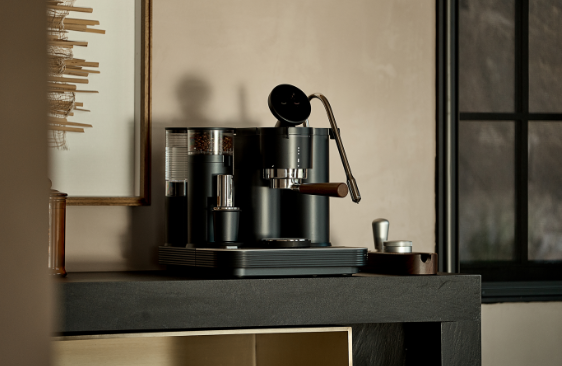
The first Meraki machine already tried to solve a familiar problem: home espresso involves too many separate pieces. A grinder here, a scale there, a machine that demands careful technique and a fair amount of counter space. The second generation tightened that idea rather than reinventing it. The grinder became more adjustable, with a much wider range of settings, which matters because different beans and roast levels need different grind sizes. The portafilters were revised too, which sounds like a small detail until you have struggled with one that feels awkward in the hand every single morning.
These are not glamorous changes, and that is precisely the point. Espresso rewards consistency more than drama. A machine that grinds evenly, holds temperature steadily, and lets you repeat yesterday’s good shot without a ritual of adjustments will, over time, make better coffee than a flashier machine that is brilliant once and fiddly ever after. The generation-to-generation improvements were aimed at that daily repeatability: fewer variables to fight, clearer feedback, and a setup that stays in tune from one morning to the next.
Reading the award news with clear eyes
When you come across Meraki Gen 2 news, it is worth pausing on what an award in a lifestyle and gadget publication actually signals. Such awards tend to reward products that combine strong performance with thoughtful design and a clear sense of who they are for. They are not laboratory certifications, and they do not guarantee that every buyer will love the product. What they do suggest is that, among a crowded field of new gadgets, this machine made a memorable impression on people who see a lot of new products.
How Meraki Gen 2 compares with other well-known machines
No machine exists in isolation, and buyers rightly compare. A useful comparison is not a simple ranking but a look at different philosophies. Some machines are built for enthusiasts who enjoy the process itself: weighing, timing, adjusting, and learning through trial and error. Others aim to remove friction so that good coffee becomes a normal part of the morning rather than a hobby. Meraki clearly belongs in the second camp, with its integrated grinder, built-in scales, and guided approach, while still giving experienced users room to adjust.
That is why a head-to-head such as Meraki vs Fellow Espresso Series 1 is interesting, even if you never read the full comparison. Fellow has a strong reputation for design and for appealing to people who enjoy a more hands-on, considered ritual. Meraki, by contrast, bets on integration: one machine that handles grinding, dosing, and brewing with less juggling between devices. Neither approach is objectively better. The right choice depends on whether you want coffee-making to be a craft you practise or a reliable pleasure you can enjoy half-awake.
What recognition does not tell you
There are several things no award can answer, and they are often the things that decide whether a machine stays on your counter. First, how does it fit your kitchen and your routine? A machine that is beautiful but too tall for your cupboards, or too slow when you are making coffee for two people before work, will frustrate you regardless of its reviews. Second, how easy is it to maintain? Descaling, cleaning the grinder, and wiping down the steam wand are not exciting topics, but they determine whether the machine still performs well after a year. Third, how much do you enjoy the process it encourages? Some people love a machine that invites experimentation; others want a button, a good shot, and no fuss.
A practical way to decide
If you are considering the second-generation machine, try a simple test before you buy. Write down your three non-negotiables. For many people, they are something like: it must be quick on weekday mornings, it must not dominate the counter, and it must make a flat white I genuinely enjoy. Then check the machine against those three things specifically, rather than against a general sense of quality. If it passes your own test, an award is a welcome bonus. If it fails one of your non-negotiables, no award should override that.
The bottom line
Industry recognition is a useful signal, not a final answer. The second generation earned attention because it refined a genuinely helpful idea: bringing grinding, dosing, and brewing together in a way that makes good espresso more repeatable at home. That is a meaningful achievement, and it is worth celebrating. But the best test remains your own kitchen, your own mornings, and your own taste. If the machine fits those, the award simply confirms what you will discover for yourself, one good cup at a time.