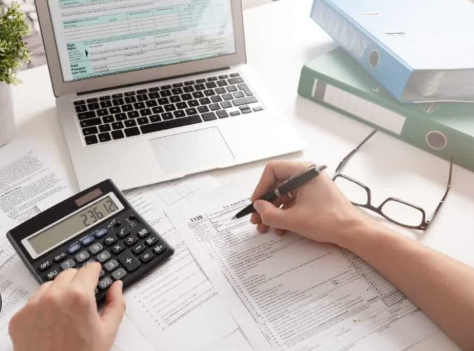
You might be feeling the shift already. The spreadsheets still matter, the deadlines still arrive, and the trust behind every financial statement still carries weight, but the tools around the work are changing fast. Automation is handling tasks that once took hours, artificial intelligence is showing up in audit workflows and reporting, and clients now expect speed, insight, and security at the same time. For any CPA in San Jose, that can feel exciting, but it can also feel like the ground is moving under your feet.
If you work with a Certified Public Accountant, or you are trying to decide what kind of financial guidance you need next, this change can raise a hard question. Will digital tools replace judgment, or will they make good judgment even more important? The short answer is this. The future of accounting is not less human. It is more digital, more data driven, and more dependent on trusted professionals who can interpret risk, explain choices, and protect accuracy.
Why does the future of accounting feel both promising and unsettling?
The promise is easy to see. Reconciliations can move faster. Expense coding can be automated. Forecasting can pull from larger data sets. Fraud detection can improve when systems spot patterns people might miss. For businesses under pressure to do more with less, that sounds like relief.
But there is tension underneath that relief. What happens when a tool produces an answer that looks polished but is wrong? What if a staff member relies on automation without checking the source data? What if a client shares sensitive records through a platform that is not secure enough? These are not abstract worries. They are the new daily risks of a digital practice.
Because of this tension, the role of a CPA is changing in a way that matters. Routine work may shrink, but responsibility does not. A modern accountant still needs technical skill, yet now that skill includes reviewing system outputs, understanding controls, and asking a simple question that software cannot fully answer on its own. Does this result make sense?
That is where digital accounting services become more than a convenience. They become a test of judgment. A business owner may be able to upload receipts, sync bank feeds, and generate reports in minutes, but if revenue is classified the wrong way or tax treatment is misunderstood, speed only helps you reach the wrong answer faster.
What changes most for a Certified Public Accountant in a digital world?
The biggest change is not the arrival of technology itself. It is the shift from data entry to decision support. A modern CPA practice is expected to do more than report what happened. It is expected to help clients understand what could happen next.
Think about a small business preparing for growth. In the past, the focus may have stayed on bookkeeping clean up, tax filing, and year end statements. Now the owner may also want cash flow modeling, system integration advice, dashboard reporting, and guidance on the risks of using AI in finance operations. The work moves closer to strategy.
Professional standards are moving in that direction too. The American Institute of CPAs offers AI resources for accounting and finance that reflect how quickly these tools are entering practice. At the same time, risk management has to keep pace. The NIST AI Risk Management Framework gives organizations a structure for governing AI use, while the guidance on generative artificial intelligence risk management helps teams think through accuracy, privacy, and oversight.
So, where does that leave you? It leaves you needing more than software and more than tradition. You need a certified public accountant who can work comfortably in both worlds, someone who respects the discipline of accounting and understands the reality of digital systems.
How do digital tools compare with CPA judgment when the stakes are real?
It helps to look at the difference clearly. Technology is powerful, but it is not the same as professional review.
| Task or Need | Digital Tool Strength | Where CPA Judgment Matters |
| Transaction processing | Fast data import, categorization, and reconciliation | Reviewing unusual entries, correcting misclassifications, and setting proper controls |
| Financial reporting | Quick report generation and dashboard updates | Explaining trends, spotting inconsistencies, and connecting reports to business decisions |
| Tax preparation | Automated calculations and document gathering | Applying tax rules correctly, planning ahead, and reducing exposure to errors |
| Fraud and risk monitoring | Pattern detection across large data sets | Investigating context, assessing materiality, and responding to red flags |
| AI generated summaries | Speed in drafting explanations or highlighting issues | Checking accuracy, protecting confidentiality, and confirming the output is reliable |
A simple example makes this real. Imagine software flags a revenue spike and suggests strong growth. A tool can surface that pattern quickly. A CPA can notice that the spike came from one time deferred revenue recognition, not a lasting change in demand. Without that distinction, a business could hire too quickly, borrow too much, or report performance in a way that leads to bad decisions.
What can you do right now to prepare for the future of certified public accounting?
1. Review your systems before you trust the output.
If your accounting platform, payroll software, or AI add on is feeding reports you use to make decisions, pause and ask how the data gets in, who reviews it, and where errors are most likely to happen. Clean inputs still matter. Oversight still matters.
2. Separate automation from accountability.
Use tools for speed, but decide in advance which tasks require human review. That may include tax positions, revenue recognition, internal controls, and any report shared with lenders, investors, or regulators. Efficiency is helpful. Responsibility cannot be outsourced.
3. Look for advisory value, not just task completion.
When choosing accounting support, ask whether the service only processes numbers or also helps you understand cash flow, risk, planning, and compliance. The future of this profession belongs to firms and clients who treat accounting as a guide for decisions, not just a record of the past.
What does all of this mean for the road ahead?
The digital shift is real, and it is not slowing down. Still, that does not mean the core value of a CPA is fading. If anything, it is becoming clearer. As tools grow faster and more complex, trust, judgment, and clear advice become harder to replace. That is the real shape of The Future Of Certified Public Accounting In A Digital World. More automation, yes. More insight, too. And a greater need for professionals who know when to trust the system, when to question it, and how to help you move forward with confidence.
If you are rethinking your financial systems, your reporting process, or the kind of accounting support you need next, now is a good time to take a closer look and choose guidance that fits both your numbers and your reality.