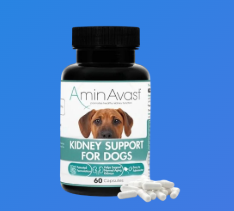
Treats are a small part of a dog’s day, but they carry a surprising amount of meaning. They reward good behaviour, greet us after a long day apart, and keep training fun. When a dog is living with liver disease, that simple pleasure needs a little more thought. The liver plays a central role in processing nutrients, filtering waste, and supporting digestion, so foods that were once harmless can become harder for the body to handle. That does not mean treats have to disappear. It means the choices behind them matter more, and a short conversation with your veterinarian can turn a guessing game into a clear, workable plan.
Why Treats Deserve Extra Attention
In a healthy dog, an occasional treat is a minor addition to the daily diet. In a dog with liver concerns, treats can quietly add up in ways that matter. Many commercial treats are rich, fatty, or heavily processed, and fat in particular can be difficult for some dogs to digest comfortably. Others are high in copper, which is a concern for certain liver conditions, or contain additives that add little nutritional value. None of this makes a treat “bad” in itself, but it does mean the treat drawer deserves the same scrutiny as the main food bowl.
What to Look for on the Label
Reading a treat label is not about finding a perfect product. It is about spotting features that tend to fit a liver-sensitive routine, and ones that tend to work against it. Short, recognisable ingredient lists are a good starting point, because they make it easier to see what your dog is actually eating. Single-protein treats, such as plain cooked chicken or a simple fish-based snack, are often easier to assess than treats with a long list of meals, by-products, and flavour enhancers.
Fat content deserves a close look, since many rich treats are marketed as indulgent without making their fat level obvious. If the label does not state fat clearly, or if the treat feels greasy and heavy, ask your veterinarian whether it fits your dog’s current plan. The same applies to salt, which can be surprisingly high in some treats. Be cautious, too, with treats that make bold health claims. A snack cannot replace veterinary care, and no treat should be treated as a treatment in its own right. If a claim sounds too strong, it probably is.
See also: End-to-End IT Asset Redeployment and Lifecycle Management Services
Safer Everyday Options
For many dogs, the safest treats are also the simplest. Small pieces of plain, cooked, unseasoned meat, a little cooked sweet potato, or a few pieces of a veterinarian-approved commercial treat can work well as rewards. Fresh options such as small pieces of apple, banana, or carrot are enjoyed by many dogs, although they are not suitable for every dog and should be introduced gradually and in small amounts. The key is not the novelty of the treat, but whether it fits comfortably into the day without upsetting digestion or crowding out the main diet.
Treats, Training, and Everyday Life
One of the hardest parts of managing a restricted diet is the feeling that your dog is missing out, especially during training or when other dogs are receiving richer rewards. In practice, dogs respond far more to timing, enthusiasm, and attention than to the size or richness of the reward. A tiny piece given immediately, paired with praise and a happy tone, is usually more motivating than a large treat given late. Rotating between two or three approved options can also keep things interesting without introducing new risks each week.
When to Ask Your Veterinarian First
There are several moments when it is worth pausing and seeking advice before offering a new treat. If your dog’s appetite has changed, if vomiting, diarrhoea, or lethargy has appeared, or if recent blood results have shifted, a new treat is not the place to experiment. The same applies if your dog is starting a new medication or supplement, since digestive sensitivity can change. In those moments, a quick call to the clinic is far better than trial and error at home.
It is also helpful to bring your dog’s treats to a routine appointment, or to photograph the labels, so your veterinarian can see exactly what is being offered. That practical detail often leads to better advice than a general discussion about treats in the abstract. A useful guide to the wider topic is treats for dogs with liver disease, which covers the same questions from a nutritional perspective, but it should sit alongside, not instead of, your veterinarian’s guidance for your own dog.
A Note on Research and Claims
Pet owners today have access to more research summaries and product information than ever before, and that can be both helpful and confusing. When you come across a new ingredient or study, ask how strong the evidence is, whether it involved dogs with a similar condition, and whether the findings have been reviewed by veterinary professionals. A single study does not automatically mean a product is suitable for your dog, and marketing material often presents early research in stronger terms than the original authors intended.
That careful approach applies across pet health topics, including areas that may seem unrelated to liver care at first glance. For example, reading AIM30 for cats research is a useful reminder of how to separate genuine research from product claims, even though it concerns cats rather than dogs. The lesson is the same: look for the source, check what was actually studied, and ask your veterinarian how, if at all, it relates to your own pet.
Building a Routine That Lasts
Liver disease can change the way you think about food, but it does not have to remove joy from feeding. With a little label reading, a few sensible choices, and regular veterinary input, treats can remain a happy, safe part of your dog’s day. The goal is not perfection, and it is not about finding a single miracle snack. It is about building a routine that supports your dog’s overall care, respects their changing needs, and still leaves room for the small, everyday moments of reward that make life with a dog so rewarding.