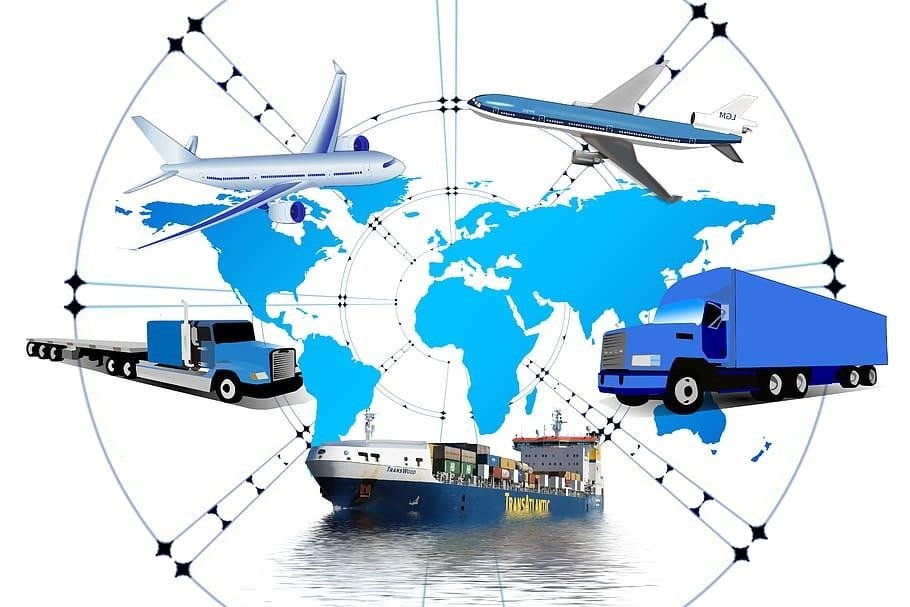
Supply chains have grown far more intricate than they were even a decade ago. What used to involve straightforward transportation and warehousing now requires careful coordination across multiple regions, industries, and regulatory environments.
Whether it’s moving heavy machinery, managing international shipments, or ensuring timely deliveries, supply chain expertise has become a critical factor in business success. Companies are increasingly recognizing that efficiency, visibility, and adaptability must work together to keep operations running smoothly.
The Complexity of Modern Supply Chains
Supply chains today operate as interconnected systems rather than linear processes. Each stage—from sourcing materials to final delivery—depends on the seamless coordination of multiple components.
In industries that require specialized transport, such as construction or energy, logistics becomes even more demanding. Insights from this analysis of heavy equipment transportation illustrate how managing oversized loads involves detailed planning, compliance with regulations, and precise execution.
Coordinating Multiple Moving Parts
Modern supply chains require synchronization between suppliers, manufacturers, and transportation providers. Even minor disruptions can create delays that ripple across the entire system. This interconnectedness makes coordination a top priority for businesses.
Logistics Principles Beyond Traditional Industries
Interestingly, supply chain principles extend beyond industrial sectors into areas like travel and personal logistics. Long-haul travel, for instance, requires careful planning, timing, and resource management—concepts that closely mirror logistics operations. For example, strategies discussed in this guide to managing long-haul travel comfort emphasize preparation and coordination, much like supply chain planning does in business contexts.
Planning and Timing as Universal Concepts
Whether moving goods or managing travel, timing and preparation are essential. Delays or poor planning can lead to inefficiencies and increased costs. This highlights how logistics thinking applies across a wide range of scenarios.
The Role of Supply Chain Experts in Transportation
As supply chains become more complex, businesses increasingly rely on experienced professionals to manage logistics operations. These experts bring the knowledge and skills needed to navigate challenges and optimize performance.
Expertise That Drives Efficiency
Supply chain experts understand how to balance cost, speed, and reliability. They can design strategies that improve efficiency while maintaining flexibility in the face of changing conditions.
Organizations seeking reliable logistics support often turn to experienced providers such as the team at Bear Down Logistics, whose approach reflects the importance of combining strategic planning with practical execution in modern transportation systems. This level of expertise is essential for maintaining consistent performance across complex supply chains.
Technology Enhancing Supply Chain Visibility
Technology has become a cornerstone of modern logistics, enabling businesses to monitor and manage operations with unprecedented accuracy.
Real-Time Tracking and Monitoring
Tracking systems provide continuous updates on shipment status, allowing businesses to respond quickly to potential issues. This visibility improves coordination and reduces uncertainty. It also helps build trust with customers by providing accurate delivery information.
Data-Driven Decision Making
Analytics tools allow companies to optimize routes, forecast demand, and identify inefficiencies. By leveraging data, businesses can make more informed decisions and improve overall performance. This data-driven approach is transforming how supply chains are managed.
See also: Expert Painting Services Enhancing Interior and Exterior Property Aesthetics
Balancing Efficiency and Flexibility
Efficiency remains a key goal in logistics, but flexibility has become equally important. Supply chains must be able to adapt to disruptions, changing demand, and unexpected challenges.
Adapting to Changing Conditions
Businesses are adopting flexible strategies that allow them to adjust quickly. This may involve diversifying suppliers, using multiple transportation methods, or maintaining buffer inventory. These approaches help reduce risk and improve resilience.
Building Resilient Systems
Resilience involves preparing for uncertainty rather than reacting to it. Companies that invest in resilient systems are better equipped to maintain operations during disruptions. This proactive mindset is becoming a defining feature of successful supply chains.
Sustainability in Supply Chain Management
Sustainability is increasingly influencing logistics strategies. Businesses are under pressure to reduce environmental impact while maintaining efficiency.
Reducing Environmental Impact
Efforts to improve sustainability include optimizing transportation routes, using fuel-efficient vehicles, and reducing waste across the supply chain. These initiatives contribute to both environmental and operational goals.
Long-Term Benefits of Sustainable Practices
Sustainable logistics often leads to cost savings and improved efficiency. By aligning environmental goals with operational strategies, businesses can achieve long-term benefits.
This alignment is shaping the future of supply chain management.
Conclusion
Supply chain expertise has become a critical factor in managing the complexities of modern logistics. From handling specialized transportation to optimizing global networks, experienced professionals play a key role in ensuring efficiency and reliability.
As industries continue to evolve, the ability to integrate technology, adapt to change, and maintain strong coordination will define successful supply chains. Businesses that prioritize these elements will be better equipped to navigate challenges and achieve sustainable growth.