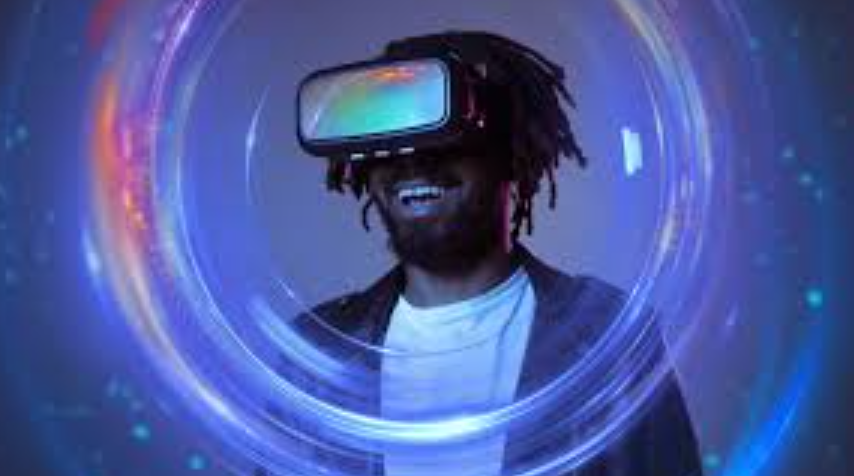
Immersive technology experiences are reshaping the landscape of digital interaction. By leveraging Virtual Reality, Augmented Reality, and Mixed Reality, these technologies offer users unprecedented engagement with content. Industries from education to retail are harnessing this potential to create tailored experiences that captivate audiences. However, as these technologies evolve, they present unique challenges and ethical considerations. Understanding these dynamics will be crucial as the demand for immersive experiences continues to grow. What lies ahead in this rapidly changing field?
Understanding the Growth of Immersive Technology
As immersive technology continues to evolve, its growth reflects a significant shift in how individuals engage with digital experiences.
This transformation not only enhances consumer engagement but also unveils substantial investment potential, attracting stakeholders eager to capitalize on the emerging market.
See also: How to Stay Safe Using Technology
Types of Immersive Experiences: VR, AR, and MR Explained
Immersive experiences have revolutionized the way users interact with digital content, primarily through three distinct technologies: Virtual Reality (VR), Augmented Reality (AR), and Mixed Reality (MR).
VR creates entirely simulated environments, AR overlays digital elements onto the real world, while MR blends both, allowing for interactive user experiences.
Each technology offers unique advantages, transforming user experience and enabling unprecedented levels of engagement and freedom in digital interaction.
How Immersive Technology Is Used in Real Life
While many may associate immersive technology primarily with gaming and entertainment, its applications extend far beyond these realms, significantly influencing various sectors such as education, healthcare, and retail.
Virtual tourism allows individuals to explore distant locations without leaving home, while interactive education enhances learning experiences by engaging students in dynamic environments.
These advancements empower users, fostering a deeper connection to knowledge and experiences.
Future Trends in Immersive Technology and Challenges Ahead
Although the landscape of immersive technology is rapidly evolving, several key trends and challenges are emerging that will shape its future.
Market predictions indicate a surge in demand for personalized experiences, while ethical considerations regarding data privacy and user consent remain paramount.
As developers navigate these complexities, the balance between innovation and responsibility will be crucial to foster sustainable growth in the immersive tech sector.
Conclusion
In conclusion, the evolution of immersive technology heralds a transformative era across various sectors. Notably, a recent study indicates that the global market for AR and VR is expected to reach $209.2 billion by 2022, underscoring the rapid adoption of these technologies. As immersive experiences become increasingly integral to education, retail, and tourism, addressing ethical considerations and accessibility will be crucial for sustainable growth. This balance will ultimately shape the future landscape of user engagement and interaction.