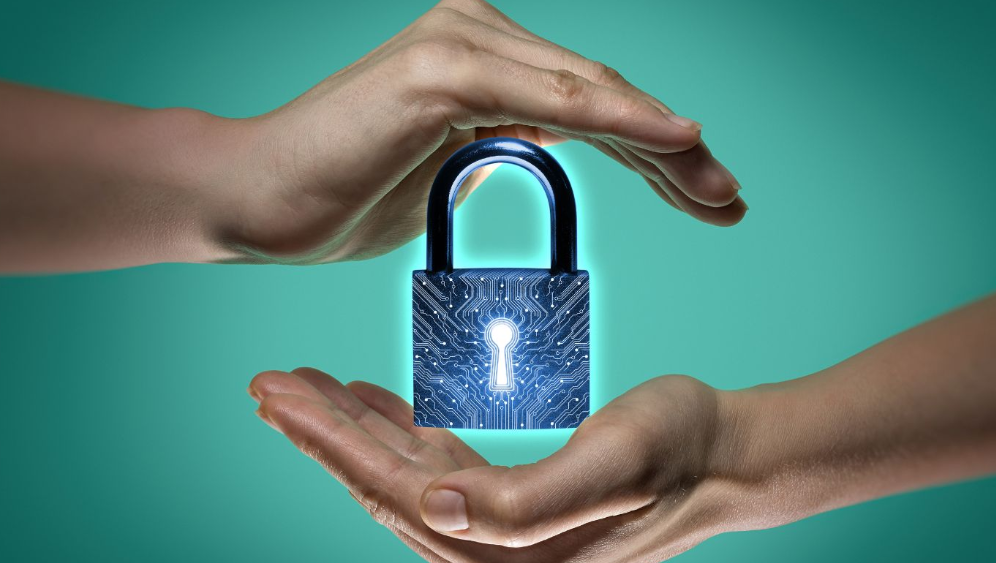
In an increasingly digital world, the importance of safeguarding personal information cannot be overstated. Strong passwords serve as a primary defense against unauthorized access, while regular software updates close potential vulnerabilities. Social media, though a valuable communication tool, poses risks when personal details are overshared. Additionally, awareness of online scams is crucial for maintaining security. Each of these elements plays a vital role in a comprehensive safety strategy, raising questions about the most effective practices to adopt.
Why Strong Passwords Are Your First Line of Defense
Establishing strong passwords serves as a fundamental barrier against unauthorized access in the digital landscape.
Password complexity, characterized by a mix of letters, numbers, and symbols, enhances security significantly.
Utilizing password managers can further streamline this process, enabling users to generate and store complex passwords securely.
This proactive approach empowers individuals to safeguard their online freedom against potential cyber threats effectively.
How Keeping Your Software Updated Enhances Your Online Safety
Although many users may overlook the importance of software updates, regularly updating software is crucial for maintaining online safety.
Software vulnerabilities are frequently exploited by cybercriminals, making update frequency essential. Timely updates not only patch these vulnerabilities but also enhance overall system performance, providing users with a more secure and efficient digital experience.
Prioritizing updates empowers individuals to protect their personal freedom online.
What Personal Information Should You Avoid Sharing on Social Media?
What types of personal information should individuals be cautious about sharing on social media?
Users should avoid disclosing location data, as it can reveal one’s whereabouts and routines, increasing vulnerability to threats.
Additionally, sharing sensitive photos may expose individuals to risks of identity theft or harassment.
Maintaining privacy involves being discerning about the personal details shared publicly, ensuring a safer online presence.
How to Spot and Avoid Online Scams
How can individuals effectively identify and evade online scams in an increasingly digital world? Awareness is essential.
Users should scrutinize phishing emails for suspicious links and unsolicited requests for personal information.
Additionally, individuals must verify the legitimacy of websites, as fake websites often mimic reputable ones.
Conclusion
In the vast digital landscape, where shadows of cyber threats loom large, the pillars of safety stand resolute: strong passwords, regular updates, prudent sharing, and vigilance against scams. By weaving these practices into the fabric of daily online activities, individuals create an intricate tapestry of security that guards against the unpredictable storms of the internet. Ultimately, awareness and proactive measures serve as the lighthouse, guiding users safely through the turbulent waters of technology.